Dress Codes Impact Student's Academic Success
High school can be challenging-even more so when you are forced to follow a stupid and unrealistic dress code. That’s what I had to do for my first few years at high school. It is annoying to constantly be thinking about whether what you are wearing is something that will get you in trouble or not, even though outside of school the outfit you have on is something you are perfectly comfortable in. This causes so much unnecessary anxiety and stress.
What many school districts don’t understand is that the dress codes they enforce are actually unhelpful and can take away a student’s sense of self. They also cause unnecessary anxiety and stress creating an environment that shifts the focus away from learning.

McDermott says that when dress codes are made too political, they teach kids that the way other people judge them is more important than what they want or would choose to wear. When students are constantly being told what they can or can’t wear to school, that can subconsciously imply that what they want to wear is not important. Instead is implies that what matters is that you comply to all their rules so no one will bat an eye or judge you for wearing the clothing that is comfortable for you.
These attitudes teach that the most important thing is to follow all the rules and to conform and agree to all authority. Well that is not always a good thing. It is important that people know how to stand up for themselves and to be able to discern what is right or wrong. If students aren’t even allowed to make their own decisions about what clothing they wear, how will they be able to make decisions about way more important subjects?
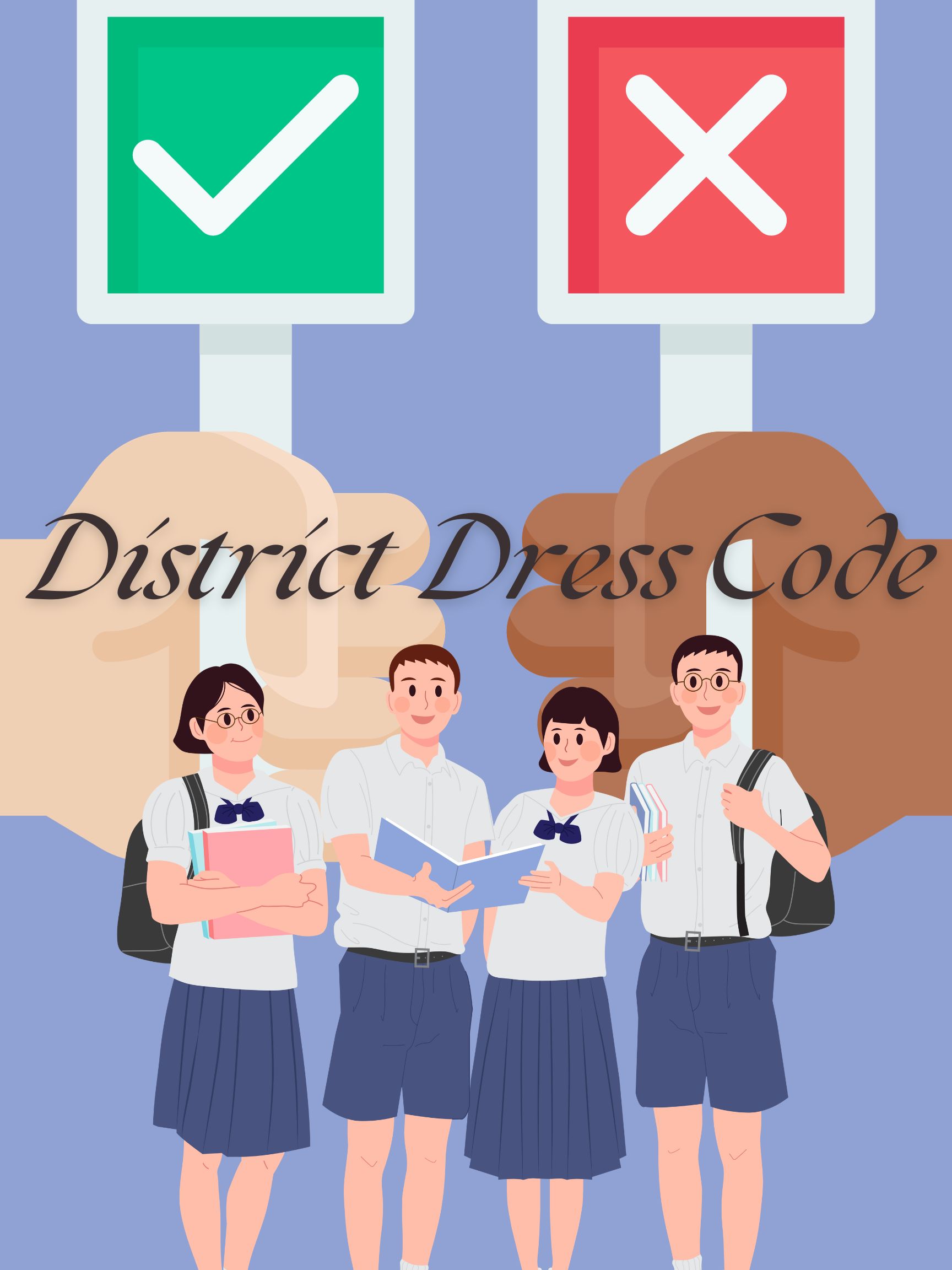
Some people might argue that dress codes can demonstrate professionalism and can teach the students to respect rules. That dress codes are a small preparation for whatever workplace they will enter in the future. The logic here is understandable, but kind of out of line. You can be completely professional without losing your own sense of self. Professionalism does not equal complete uniformity. Individuality is still important. It is good for everyone to be able to show their own uniqueness through how they dress.
Some people may also say how it is important to keep nudity and indecency out of schools, Especially for high schools because the majority of students are under 18 years old. This is a valid point, however, pretty much every dress code that exist has rules that are far more strict rules. Most of these policies go far beyond what they need to by prohibiting things like spaghetti straps, shorts, or even leggings.
For many students, preparing for school involves more than just choosing an outfit; it also involves attempting to follow the rules. "Will I get in trouble for this?" is a question that many people must ask themselves before leaving. An already stressful day is made worse by that kind of continual second-guessing. Students wind up worrying more about whether their shorts are "too short" or whether their shirt straps are too thin than they do about homework or tests. It detracts from learning and is draining. Most of these rules extend far past what they need to by prohibiting things like spaghetti straps, shorts, or even leggings.
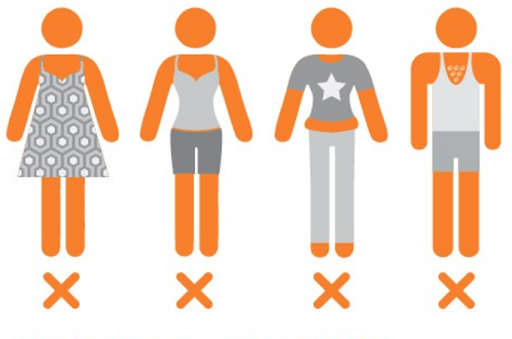
Kneia finds that girls and students of color receive more punishment for dress code infractions than other groups. People remember that type of embarrassment. Students feel as though they must continuously conceal aspects of themselves in order to be accepted, which makes them uncomfortable in their own skin. Furthermore, that stress doesn't go away after a single warning, as it accumulates, school becomes a place where pupils feel condemned rather than encouraged. This also applies to clothing that is for religious purposes. If schools disallow students from wearing clothing that is is kind of a violation of their right to freedom of religion.
There is plenty of clothing types that should not be allowed to be worn in school simply because it is too vulgar or revealing. However, many of these dress codes take the rules to the complete other side, making rules that are far to strict and limit a students ability to rightfully express themselves
Most students are fully aware of what is appropriate to wear to school and what is not. They don’t need a long list of rules to tell them what is and is not okay. What students really need is a place where they feel comfortable and confident and a place that makes it easy to learn. It causes so much anxiety when you constantly have to be worrying about whether your teacher will send you to the office for “inappropriate clothing” and your receive a dress code violation. Schools need to care more about how much their students are learning and achieving and less about the length of their shorts or sleeves.


Comments
Post a Comment