You Won't Believe What's Really Going On Inside Some Nursing Homes
You Won't Believe What's Really Going On Inside Some Nursing Homes

The CNA’s (certified nursing assistants) whose job it was to provide care, were sitting in the corner discussing the newest work drama. They carelessly gossiped and ate snacks from the kitchen that were meant for the residents. They laughed obnoxiously while Anne sat helplessly in her seat. Her body slumped lower. The call button was blinking; It was still unanswered. I stood by in confusion, and then in anger. What the hell?! How could they treat her this way? Anne is someone's mother and someone's grandmother.
The sad truth? This happens way more than you think. Research from The University of Toronto says around 2 million cases of elder abuse and neglect get reported every year. Two. Million. This is a full on crisis.
Elder abuse is a growing social problem especially in nursing homes. Research shows that older adults have been abused and neglected because of understaffing, poor training, and the vulnerability of residents who suffer from physical and cognitive impairments. All of these factors create an environment where elder abuse continues to slip through the cracks. The nursing home system is falling apart. No one should be okay with this.
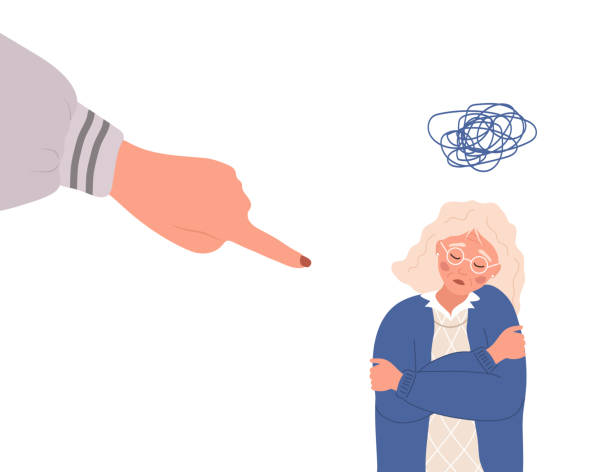
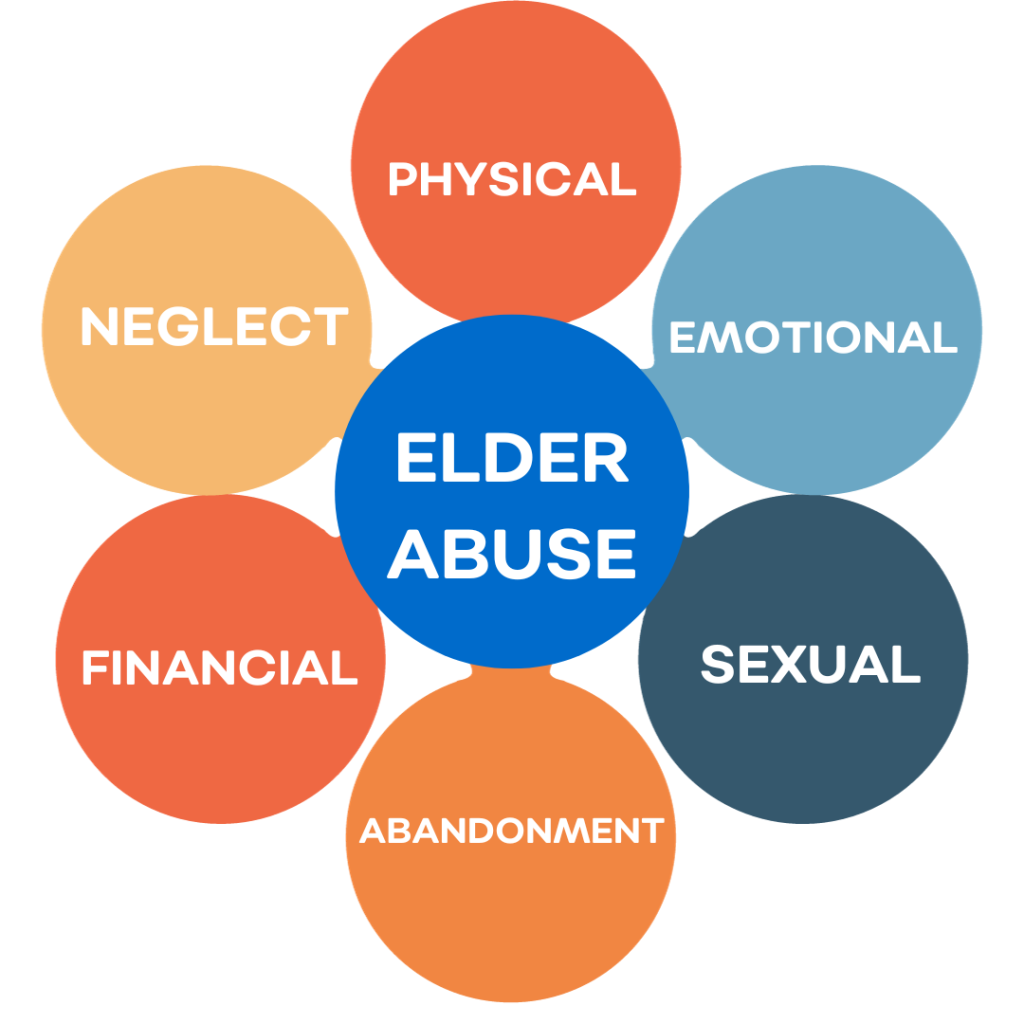
Elder abuse isn't always obvious, and it can look like a lot of different things. Sometimes it's physical, sometimes it's emotional, or other times just straight up neglect.
- When caregivers hit, shove, or handle residents roughly. Even things like grabbing too hard or ignoring someone who’s fallen count as physical abuse.
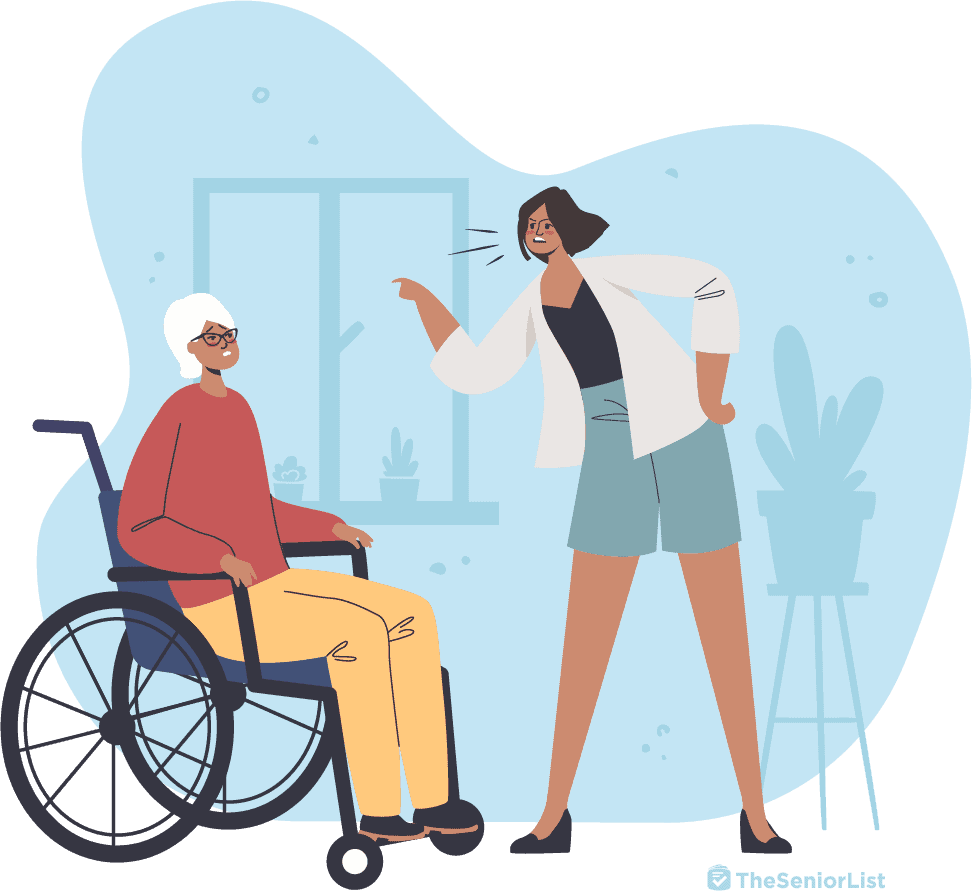
- Emotional abuse doesn’t leave bruises, but it hurts just as much. We're talking yelling, insulting, threatening, or isolating residents...basically anything that makes them feel scared, embarrassed, or worthless.
- Financial abuse includes stealing money, taking valuables, or tricking residents into signing over checks or accounts. Major red flag.
- Neglect can look like caregivers just not doing their job... not giving residents the care they need, like skipping meals, ignoring hygiene, forgetting medications, or leaving them in dirty or unsafe conditions.
- And Yes, Sexual abuse can happen too. Any unwanted sexual contact or behavior. It’s awful to think about, but it's real, even in nursing homes.
Nursing homes across the country are seriously failing their residents, and it's just the facts. The Nursing Home Law Center says, "About 87% of U.S. nursing homes report moderate to severe staffing shortages, and only 6% meet all federal staffing standards." 6 percent! That's wild. With so few workers, residents are left waiting HOURS for help, missing medications, or being completely ignored. This is nuts!!
It gets worse: many employees aren’t properly trained to care for older adults. According to Dr. Patricia Shelton, many care providers have never received updated training since the 1980s! This lack of knowledge leads to rough handling, skipped care/neglect, and the residents are paying the price.
Nursing home residents are literally some of the most vulnerable people in our society, and that’s exactly what makes them easy targets. Residents with Dementia or Alzheimer’s usually can’t remember what happened to them or clearly explain it in a way that other people can understand. Even when they do try to speak up, their complaints are sometimes brushed off as confusion. On top of that, many residents are too scared to report abuse because they are scared of being punished, ignored, or treated even worse. Studies from the National Council On Aging, show that only about 1 in 24 cases of elder abuse ever get reported, meaning most victims suffer in silence while the abuse continues unchecked.
Some people like to say that abuse in nursing homes "isn’t that common" or that "most facilities do their best." Okay...and? That doesn’t excuse what’s happening. Even if “most” workers mean well, it only takes a few who don’t, to completely destroy someone’s safety and trust.
And then there's people who say that "residents exaggerate or misunderstand situations", but when you’re elderly, sick, or can’t defend yourself, any mistreatment is serious. Acting like "it's not that bad" just lets the problem continue.
The tea is: elder abuse in nursing homes is a real problem, and ignoring it won’t make it go away. Every resident deserves to feel safe, cared for, and respected. When people defend the system or make excuses, they’re turning their backs on the pain of people who can’t speak up for themselves. At the end of the day it's simple: if abuse and neglect are still happening, then the system is broken, and it’s on us to demand better.
So what can we actually do about this? For starters, better training and accountability shouldn't be optional. Nursing homes need strict background checks, more staff on each shift, and real consequences for anyone caught mistreating residents.
Families should feel empowered to visit often, ask questions, and report concerns without being scared to cause drama. And honestly, we all need to start talking about it more, because the more attention this gets, the harder it is for abusers and careless facilities to hide. Change starts when people stop staying quiet.

At the end of the day, nursing homes are supposed to be places of comfort, not fear. Our grandparents and loved ones spent their lives caring for us. The least we can do is make sure they’re treated with dignity and compassion in return. Elder abuse isn’t some rare thing, it’s a crisis right in front of our faces. The more we speak out, share stories, and hold facilities accountable, the closer we get to change. No one deserves to spend their final years feeling scared, ignored, or alone, and it’s on all of us to make sure they never have to.


Comments
Post a Comment